hoda rahimian

Designing a User-Centric Digital Health Platform
As a Lead Product Designer for Centralive, my focus has been on transforming a complex, code-dependent system into an intuitive & efficient tool for researchers. This case study outlines the design process that led to Centralive.

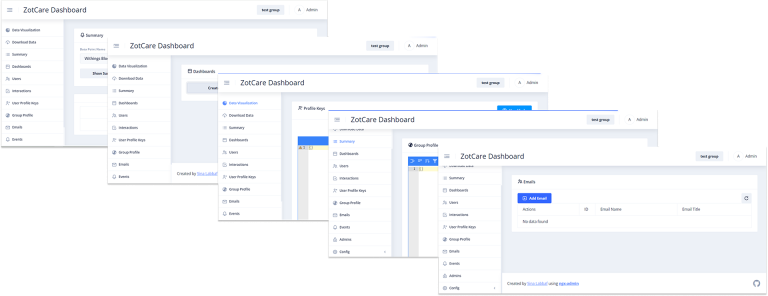
Problem Statement: Bridging the Usability Gap
The initial version of the platform, formerly known as Zotcare, required coding knowledge, which significantly limited its accessibility & usability for researchers. This created a critical need to redesign the platform to be user-friendly & accessible to non-coders, aligning it with broader market needs & improving overall efficiency in clinical trials & digital health studies.
Design Process: A User-Centered Approach
Our design approach for Centralive was deeply rooted in user-centered methodologies, ensuring that every feature & interaction was tailored to the needs of its target users—healthcare researchers.
1. Discovery & User Research
The initial phase involved extensive research to understand existing pain points & gather comprehensive requirements. This included:
- Stakeholder Meetings: Engaged with key stakeholders to assess the software's current state & define development requirements.
- User Interviews: Conducted 5 interviews with current & potential users to identify critical challenges & desired functionalities.
- Competitive Analysis & Market Research: Performed a thorough research to understand the landscape, competitor features, & customer perceptions.
- Understanding the User Journey & flows
User Inerview
Persona

2. Ideation & Conceptualization
Based on the insights gathered, the ideation phase focused on conceptualizing a “comprehensive, code-free platform” that would empower researchers to create “living labs” & revolutionize real-world studies. The core idea was to streamline operations & enhance participant engagement.
- This involved exploring various features such as:
- Device type integration.
- Core & advanced questionnaires with logic, image, audio,& video capabilities.
- Flexible reminders & real-time researcher & participants alerts.
- Just-in-time interventions.
- Participant & collaborator management.
3. Prototyping & Iteration
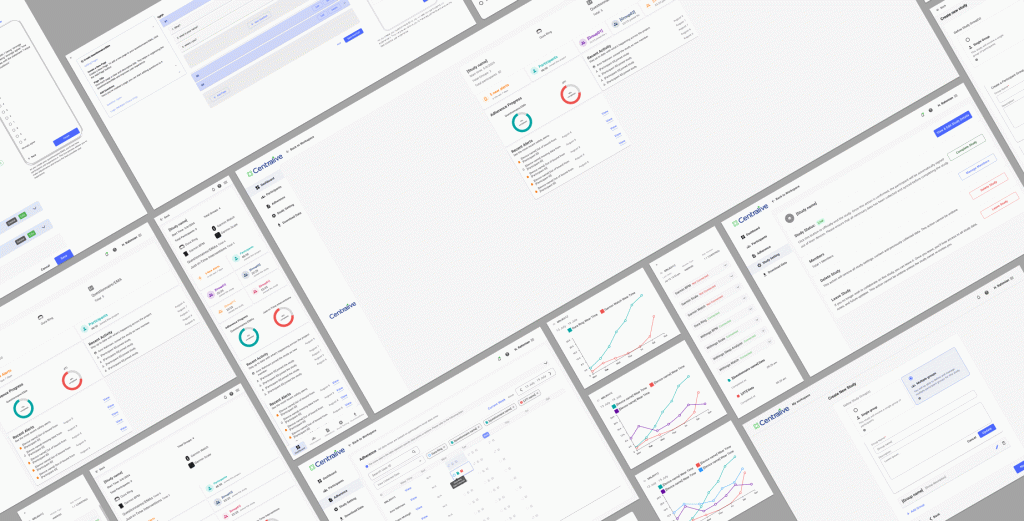
The design progressed through iterative prototyping, where initial concepts were brought to life & refined. The “Centralive Design board” in Figma was actively used, with discussions around elements like image responsiveness, indicating a detailed focus on the user interface & experience.
4. Usability Testing & Feedback
A crucial step in the design process was conducting usability testing to gather direct feedback from potential users. As the lead product designer, me & my team were actively involved in scheduling & conducting these sessions, inviting researchers to participate & provide their input on Centralive’s user experience.
This iterative feedback loop was essential in refining the platform to be intuitive & effective.


We were impressed by how easily users navigated the interface. Their feedback informed our design improvements, & overall satisfaction exceeded our expectations.
5. Implementation & Collaboration
The design team worked closely with development, ensuring that the user experience vision was accurately translated into the final product. Regular “Sinansoft-Centralive Weekly Product Meeting” & other internal meetings served as key touchpoints for collaboration & sprint reviews, ensuring alignment & addressing any design or technical challenges.
Accessibility
To ensure our interface consistently meets global accessibility standards, we conduct rigorous reviews of VPAT documents. This process allows us to verify that every component aligns with WCAG guidelines, maintaining a transparent and inclusive experience for all users.
Digital Intervention Feature
Built a user-friendly no-code platform for scheduled & just-in-time digital interventions.
Questionnaire Feature
Designed flexible surveys triggered by time or context, supporting voice, text, & image responses.
Key Design Decisions & Impact
Centralive was designed with several key principles in mind to ensure its success:
- Code-Free Platform: Empowering researchers without programming expertise to conduct sophisticated mHealth studies.
- Integrated Data Collection: Seamlessly integrating data from wearable sensors & enabling real-time questionnaire design.
- Real-time Monitoring & Intervention: Implementing features for safety alerts, adherence tracking, & just-in-time digital interventions to ensure participant well-being & data quality.
- Streamlined Operations: Providing tools for study creation, management, & collaborator permissions to simplify research workflows.
Impact: Centralive has significantly improved research outcomes, generating substantial revenue and supporting numerous research projects.
hoda rahimian is proudly powered by WordPress